


Courage. Compassion. Clarity. Celebrating Our OASAS Leadership Academy Graduates
Posted on: January 5, 2026
Leadership in the treatment of substance use disorders is rarely straightforward. It does not conform neatly to detailed job descriptions or organizational hierarchy. Leadership in recovery shows up in moments of crisis, late-night phone calls, staff burnout conversations, and in those quiet decisions that shape culture long after a shift ends. For Caz, where care is delivered 24 hours a day and where the work is profoundly personal; strong and trauma-informed leadership is foundational.
This year, Caitlynn Weichert-Winkfield, BSW, CASAC-T (Wellness Coordinator); Amber Dixon, A.S., B.S., Advanced CASAC (Support Services Coordinator, Unity House); Renae A. Banach, CASAC-2 (Program Manager, Turning Point House); and Maura Baker, BSW, Advanced CASAC (Reintegration Manager, Sundram Manor) completed the New York State’s Office of Addiction Services and Supports (OASAS) Leadership Academy training. The OASAS Leadership Academy is an intensive, 22-hour professional development program designed to strengthen leadership capacity across New York State’s behavioral health system. The Academy brings together professionals from substance use treatment, prevention, recovery, harm reduction, and allied services to explore what effective leadership looks like in high-stakes, trauma-informed environments where the work is complex, and the impact is deeply human.
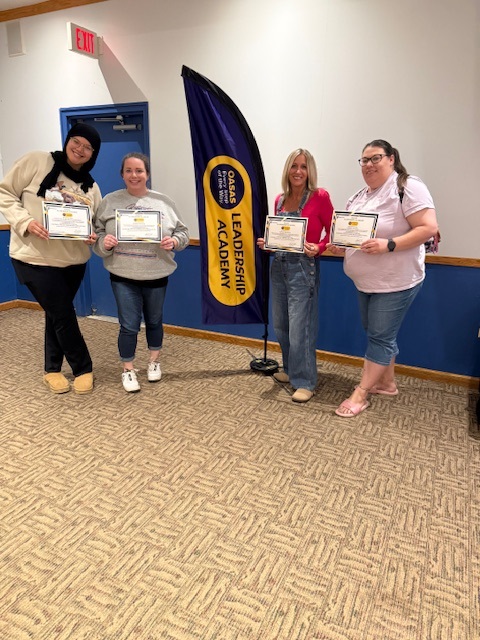
Caitlynn Weichert-Winkfield, BSW, CASAC-T (Wellness Coordinator); Maura Baker, BSW, Advanced CASAC (Reintegration Manager, Sundram Manor); Renae A. Banach, CASAC-2 (Program Manager, Turning Point House), Amber Dixon, A.S., B.S., Advanced CASAC (Clinical Services Coordinator)
Management Ends and Leadership Begins
Delivered through a combination of in-person and virtual sessions, the leadership program emphasizes real-world application over theory. Over the course of four months, our Caz team was deeply engaged in scenario-based learning, had genuine dialogue with their professional peers, and completed experiential exercises that truly mirror the realities of residential and clinical care. The training centered on key topics like one’s leadership philosophy, management versus leadership styles, cultural humility, burnout recognition, boundary-setting, and how to lead teams through a sea of constant regulatory and cultural changes. For Caitlynn, Amber, Renae, and Maura, the experience was transformative; not because it offered easy solutions, but because it forced difficult and necessary questions.
One of the most powerful themes to emerge across the cohort was how to distinguish between managing and leading. Renae described a moment of candid self-reflection early in the program.
“I realized I was managing more than a leader. Before the Academy, I focused heavily on keeping things running smoothly and making sure everything was done the right way. The training helped me understand that leadership is not just about directing tasks or enforcing rules. It is about setting the tone, listening, involving your team, and recognizing that not every situation has a black-and-white answer. That shift really opened my eyes to what leadership actually is.”
That realization was echoed by Amber, who entered the Academy expecting more traditional, policy-driven training. “I thought it was going to be more about OASAS policies,” she shared, “but it was really about leadership. It pushed me to think differently about how I show up for my staff.” The Academy’s cohort-based model intentionally brings together participants at different stages of their careers. Some are seasoned supervisors with large teams; others are participating without formal management titles but seek to better understand the dynamics and organizational impact of being a leader in the human services field. Caitlynn joined the Academy without a current managerial role and found the immersive perspective especially valuable. “It helped me better understand my role as an employee, but it also helped me understand what my managers go through,” she explained. “Now I see how my actions affect the entire team, not just me.”
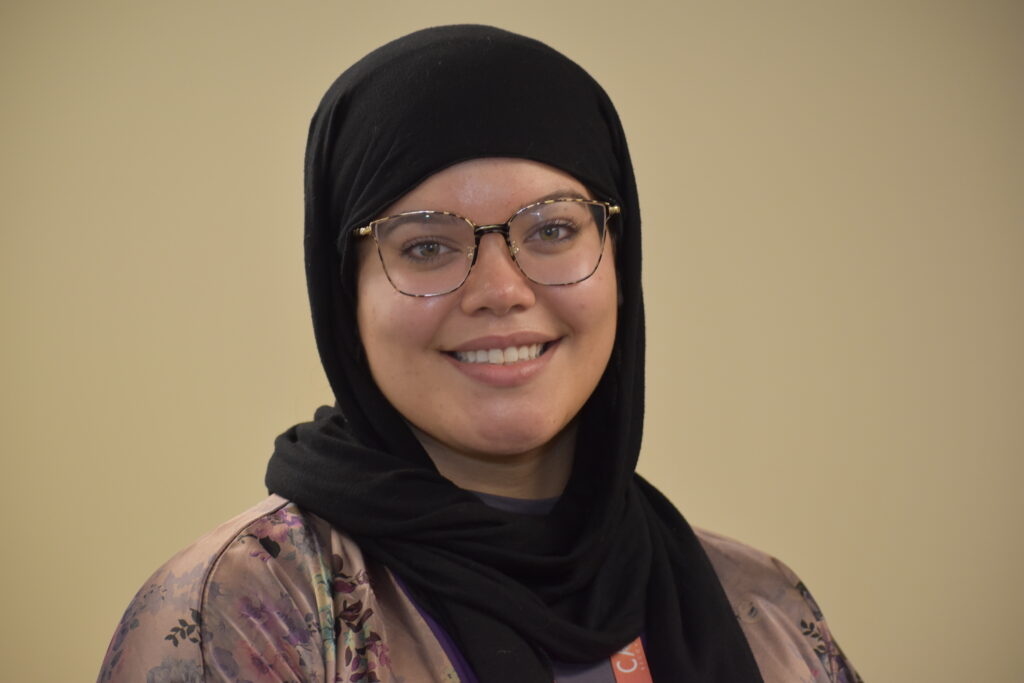
Caitlynn Weichert-Winkfield, BSW, CASAC-T (Wellness Coordinator)
Moving Past Commands & Control. Balancing Burnout and Boundaries
Throughout the program, participants were placed in group exercises that required collaboration under pressure and adaptive decision-making. Amber spoke about an exercise where participants advocate for positions they did not personally agree with, forcing them to consider how values, experiences, and roles shape decision-making. “You had to step fully into someone else’s perspective,” Amber explained. “It forces you to slow down, listen, and realize that your first reaction is not always the right one.” The cohort was facilitated by an experienced leader with a military background, and his perspective proved especially impactful. Instead of using a command-and-control framework, heavy emphasis was placed on accountability, trust, and care for people under pressure. “It was direct, but it was also compassionate,” Amber said. “Yes, the job still has to get done, but there are softer ways to lead. You learn to ask about barriers, to recognize burnout, and to respond with empathy.”
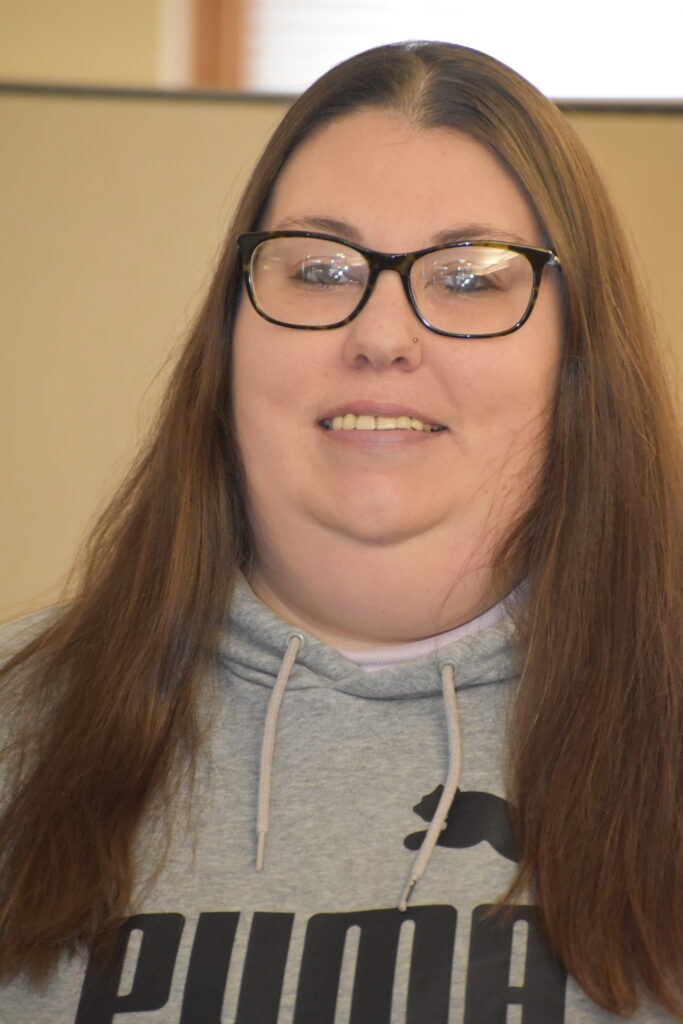
Amber Dixon, A.S., B.S., Advanced CASAC (Clinical Services Coordinator)
Burnout recognition and prevention was another theme the team spoke about. The group expressed how chronic stress impacts staff performance, morale, and retention; and brainstormed how leaders can intervene early. “We talked about what burnout actually looks like and how to approach staff when you see it,” Amber shared. “That includes encouraging PTO, modeling boundaries, and sometimes even mandating rest when people won’t take it themselves.”
Leading With Intention in Trauma-Informed Spaces
Maura reflected on how the Academy sharpened her leadership approach rather than replacing it. “For me, it wasn’t about learning completely new skills,” Maura said. “It was about refining what I already had and being more intentional about how I use it.” Maura also spoke to the challenges of leading teams in trauma-informed environments, particularly around trust, boundaries, and emotional safety. “You can’t ask people the hardest questions the moment they walk in the door,” she explained. “You must build trust first. Emotional safety has to come before anything else.” For Renae, the Academy also validated the emotional complexity of leadership roles, especially for leaders who have grown within the organization and now supervise former peers. “They talked about how being in leadership can be lonely,” she said. “You have to set boundaries, even with people you worked with for years. That’s hard, but it’s necessary if you want to lead with integrity.”
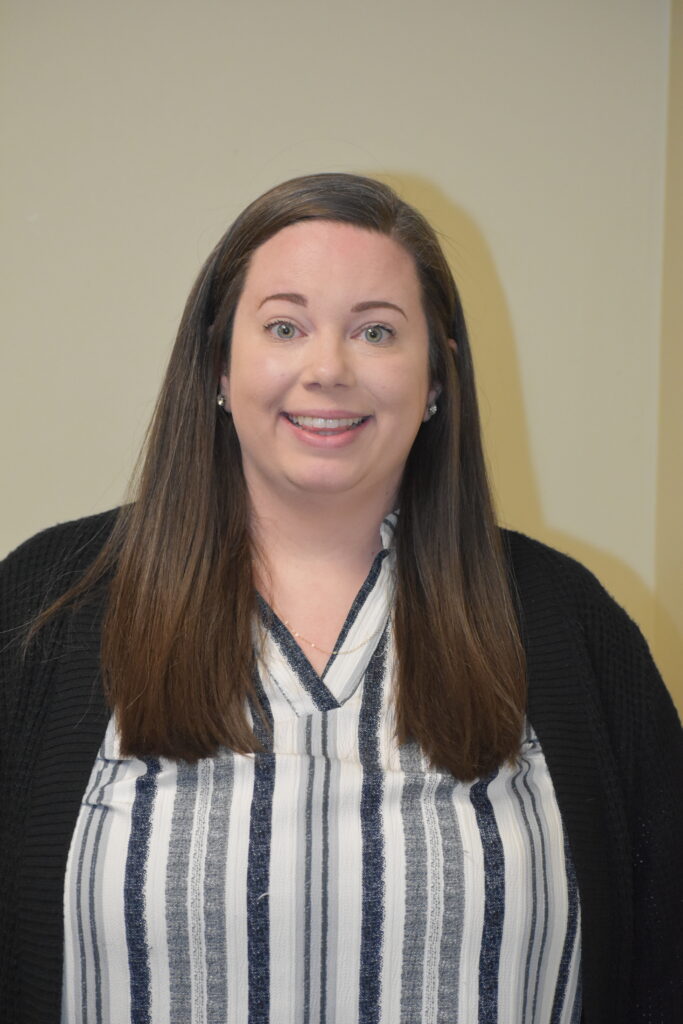
Maura Baker, BSW, Advanced CASAC (Reintegration Manager, Sundram Manor)
At Caz, the impact of the Academy has already begun to take hold. Caitlynn and Amber seek to make team meetings more collaborative. As managers, Renae and Maura are offering choices instead of directives; inviting staff to problem-solve rather than being handed solutions. “It’s not black and white anymore,” Renae reflected. “We figure things out together.” They are also encouraging colleagues to enroll in the Academy, mentoring emerging leaders at their program sites, and modeling healthier leadership practices. As Caitlynn put it, “You don’t need a title to benefit from this. Leadership is a skill you carry everywhere.”
Strengthening Caz Through Leadership Development
We are proud of our OASAS Leadership Academy graduates! Caz depends on strong and supported leaders to provide the best services our programs have to offer. Investing in professional development supports retention, high programmatic standards, and Caz Recovery as a whole. Thanks for strengthening our teams, our culture, and the care we provide every day.
Other Recent Posts

Your donation can save a life!
In the grip of the opioid epidemic, you can make a difference. Any amount helps.